Members
Rosalie Rothe
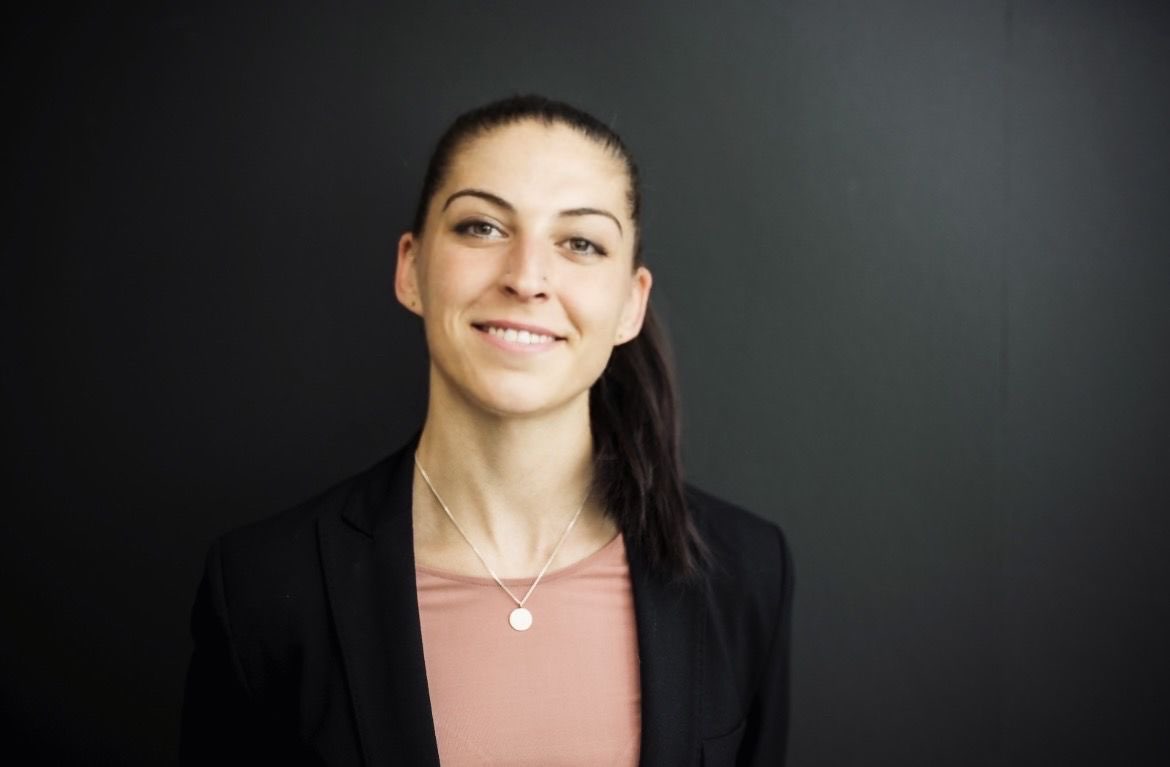
Rosalie Rothe is a physicist and project leader with experience in IT security and the governance of critical infrastructures. After studying Physics and Energy Science at the Technical University of Dortmund and the University of Duisburg‑Essen, she worked in material research at Siemens Energy before moving into international IT management and cybersecurity consulting. She has led transition and rollout projects in regulated industries such as insurance, automotive, pharmaceuticals, and public transport, focusing on compliance, system reliability, and organizational resilience.
Her interests connect technical infrastructures with the phenomenological and cognitive aspects of safety and orientation in complex socio‑technical systems. At PhenCoCo, she contributes insights from digital transformation, standardization, and the societal reflections of emerging technologies.
Auris E. Lipinski
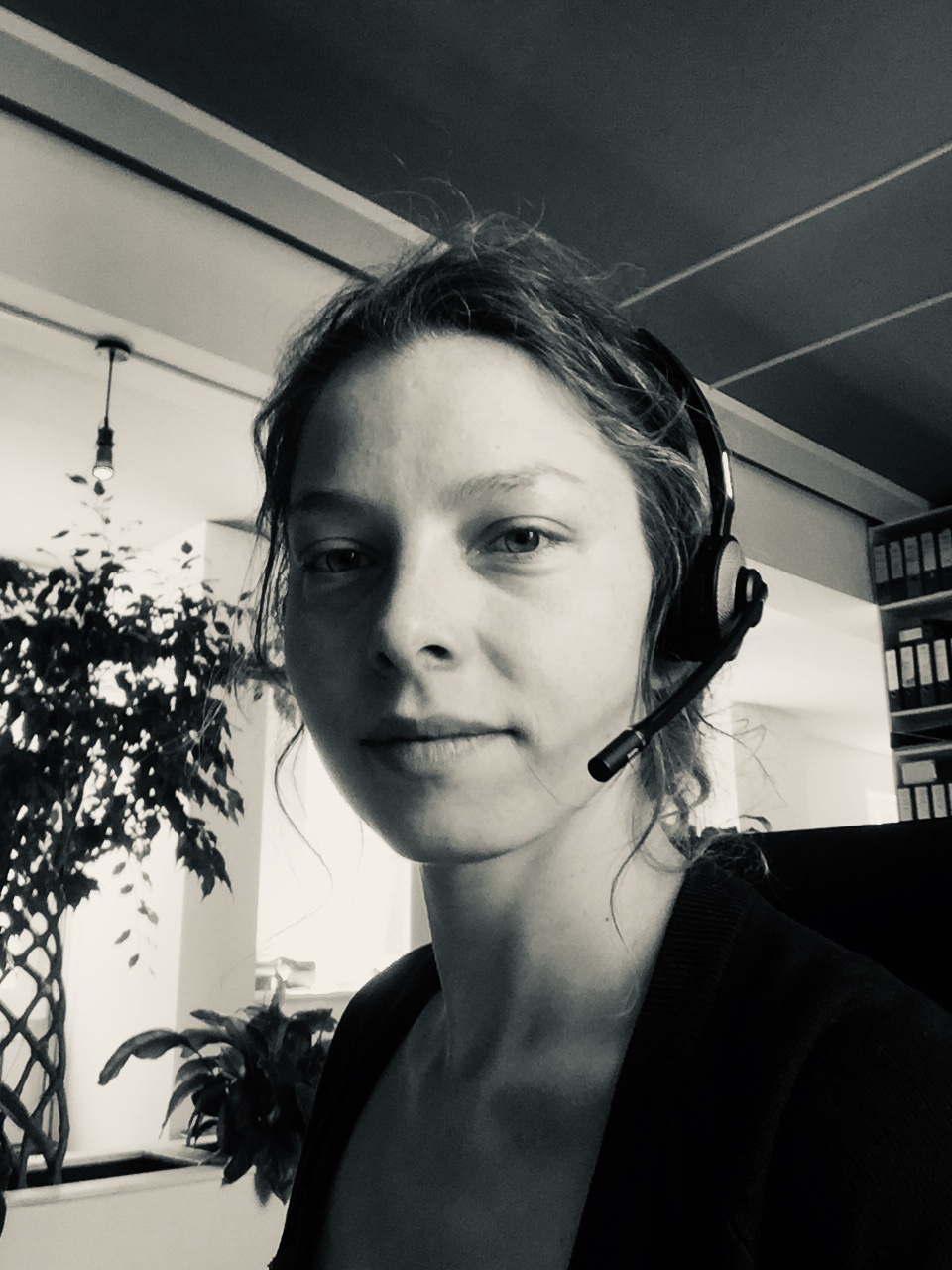
Auris-E. Lipinski is a studied philosophy teacher with experience in the tech industry, providing one-on-one lessons and tech-communication for companies and entrepeneurs, as well as language trainings and simultaneous translations. While studying Philosophy & English at Humboldt University, Berlin, she became a scientific assistant at VIOM GmbH. She founded PhenCoCo in the aftermath of university seminars like “Konstruktion und Phänomenologie der Wahrnehmung”, Phänomenologie und Kognition" (M. Thiering) and “Computation und Geist” (J. Bach). She has been involved in different research and development projects, guiding her academic interests towards way finding and cognitive preconditions for navigation, both computational and phenomenological. This includes working on spacial concepts found in philosophy, psychology and robotics, subsuming Gestalt theory, embodiment theories, language/ concept importance, association and intuition. Her personal interests lie in current issues in philosophy, technology and science, specifically navigation, optimisation, and telematics. The last years have added attention to so called ‘AI’ versions and their impact on society, as well as propaganda methods and discrimination topics.
B

B is a hyperactive IT professional with a background in data science and biology. After studying Bioinformatics in Berlin, he entered the startup scene. At the same time he cultivated a multitude of interests and hobbies. The interests range from philosophy to (quantum)physics to sociology and state theory. The hobbies range from reading and writing, to bookmaking to jewellery making.
After reading (part of) Schopenhauers “Die Welt als Wille und Vorstellung” at school and generally being interested in how the world works, his endeavors turned more to the natural sciences and computer science. Despite not having any (formal) competences in any philosophical fields, he stubbornly refuses to accept the truth and keeps arguing for his weird ideas about how the world works.